Loading...
Dips, uneven spots, and settled slabs are common in Atwater homes built on clay soils. Self-leveling concrete fills those low spots precisely, giving you a smooth, flat surface without tearing out the old slab.
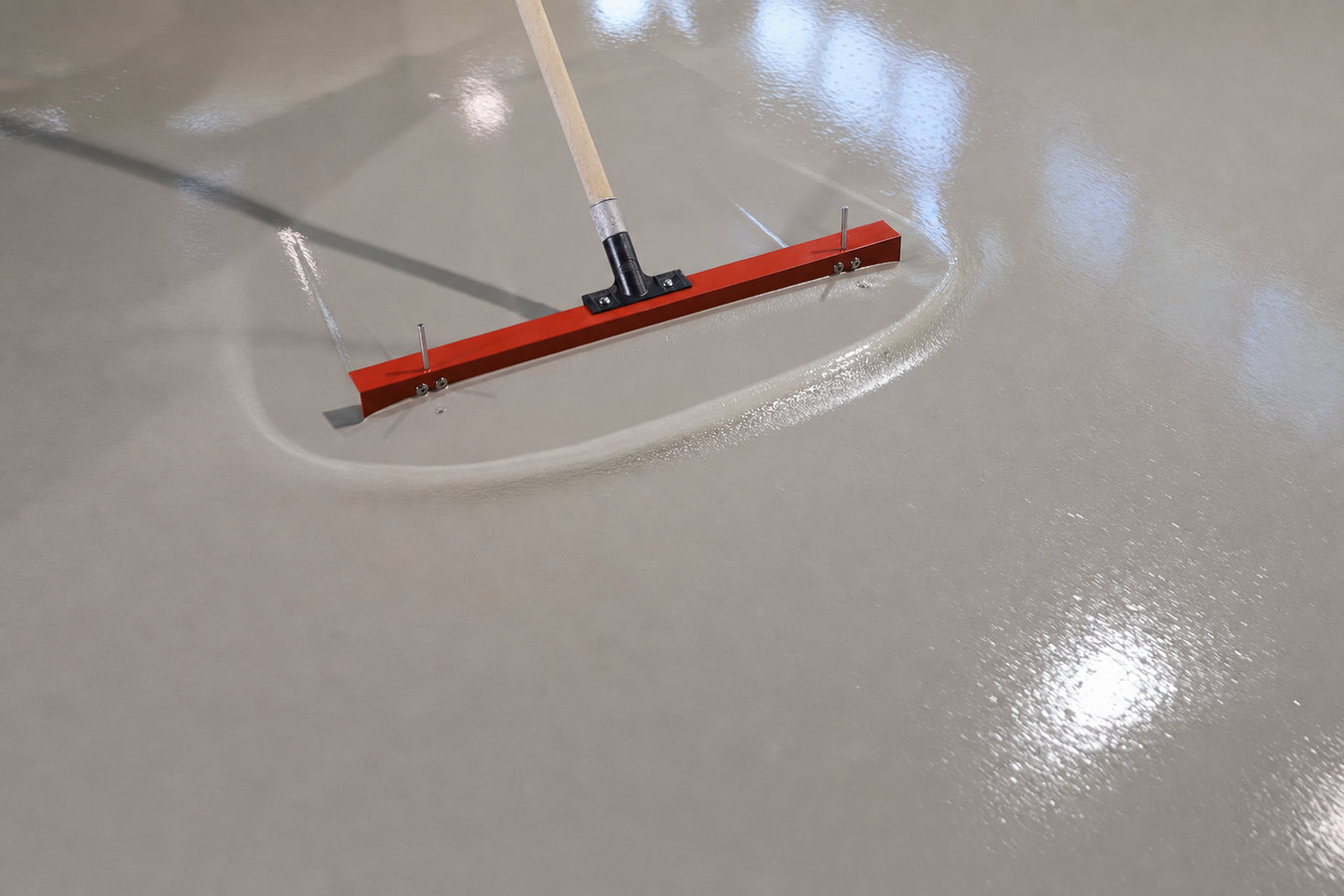
Self-leveling concrete in Atwater, CA is a specially mixed material that flows across an existing slab and fills low spots on its own - fixing uneven or settled floors without demolition - and most jobs are walkable within 24 hours with a surface ready for new flooring or a finished overlay in three to five days.
A lot of Atwater homeowners come to us because their tile keeps cracking, their vinyl plank keeps popping up at the edges, or they just notice the floor does not feel quite flat when they walk across a room. Those are all signs the slab underneath has settled unevenly - a very common issue in this area given the clay-heavy soils that expand and contract every season. Self-leveling concrete corrects that unevenness at the source, rather than trying to work around it with flooring alone.
If your slab also has surface cracks, staining, or worn areas beyond the leveling issue, concrete resurfacing and overlays can be applied after leveling to give you a finished, attractive surface rather than a plain gray floor.
If you notice a slight dip in the middle of a room, a high spot near a doorway, or a floor that feels like it tilts in one direction, your slab has likely settled unevenly over time. This is common in Atwater homes built on the area's clay-heavy soils, which expand and contract with the seasons. Self-leveling concrete is designed specifically to correct this kind of gradual, uneven settling.
If you have tried to install tile, vinyl plank, or laminate and it keeps cracking, popping up at the edges, or showing bumps through the surface, the problem is almost certainly the floor underneath. Flooring installers often require a slab to meet a flatness tolerance before they will begin - and if your slab does not meet that standard, self-leveling concrete is the fix before any new flooring goes down.
Fine cracks spreading in a map or web pattern are a sign that the surface layer of your concrete has aged and dried out. In Atwater's intense summer heat, this kind of surface cracking accelerates because the sun and high temperatures pull moisture out of concrete faster than in cooler climates. An overlay can seal and resurface the slab before those cracks deepen or allow water to work underneath.
If water collects in certain spots on your garage floor or patio entry instead of draining evenly, those low spots signal uneven settling. Standing water accelerates concrete deterioration and can work its way under doors and into your home. Self-leveling concrete fills those low spots precisely so water drains the way it should.
We handle leveling and overlay work for interior floors, garages, patios, and commercial spaces across Atwater and the surrounding area. Every job starts with surface preparation - grinding, profiling, and priming the existing slab - because that is what makes the new material bond and stay put. If moisture testing shows elevated levels coming up through the slab (not uncommon in Atwater given the local soil and irrigation patterns), we apply a moisture-blocking primer before any new material goes down.
For outdoor surfaces that need both leveling and a finished look, pool deck coatings and resurfacing combine both steps in one project. And if your existing floor coating or old overlay needs to come off before fresh material can go down, concrete resurfacing pairs naturally with leveling work on slabs that are solid but need a full surface refresh.
Best for homeowners preparing to install new tile, vinyl, or hardwood over a slab that has dipped or settled unevenly over time.
Suits garages, workshops, and utility spaces where a smooth, hard-wearing surface is the goal without additional flooring on top.
Good fit for living spaces, patios, and entryways where color, texture, or a polished finish is wanted alongside the leveling correction.
Recommended for slabs near agricultural land or in older Atwater neighborhoods where moisture vapor coming through the slab is detected during testing.
Atwater sits in the northern San Joaquin Valley on expansive clay soils that swell when the winter rains arrive and shrink back during the long dry summer. That seasonal movement is the main reason so many Atwater homes - particularly those built in the 1950s through the 1980s - develop dips, tilted rooms, and cracked slabs over time. Older slabs were often poured thinner than today's standards and without modern moisture barriers, which compounds the problem as the decades pile up. Self-leveling concrete is the most practical fix for those settled floors because it addresses the symptom directly - the unevenness itself - without requiring the cost and disruption of a full slab replacement.
Moisture is the other factor specific to this area. Properties near Atwater's surrounding agricultural land, and in neighborhoods with older drainage infrastructure, often have more moisture migrating upward through slabs than homeowners realize. We test before we pour, and we carry the right primers to handle elevated moisture levels when we find them. We serve homeowners in Livingston and Delhi who deal with the same clay soil and moisture conditions, and the same leveling solutions apply across that stretch of the Valley.
Describe what room or area you are dealing with and what the floor looks like now. Because the condition of your existing slab affects cost significantly, we schedule a free on-site visit rather than quoting blind over the phone. We respond within one business day.
We walk the area, check for cracks, settling, and moisture - paying close attention to moisture in Atwater given local soil and irrigation conditions. You get a written estimate that breaks down prep work needed and what the finished surface will look like.
The crew grinds and profiles the existing surface, fills any large cracks, and applies a bonding primer - or a moisture-blocking primer if testing flagged elevated levels. Then the self-leveling material is poured and guided to the edges. A standard room or garage typically takes a few hours to pour.
Once the surface cures - usually walkable within 24 hours - a protective sealer is applied. We walk you through care instructions and confirm when the space is ready for furniture, appliances, or new flooring installation.
We check moisture, cracks, and slab condition in person and give you a written quote - no obligation.
Skipping moisture testing is the most common reason overlays fail prematurely, and it is especially risky near Atwater's agricultural land where water tables can be elevated. We test every slab before any material goes down - and we address moisture when we find it, not hope for the best.
The biggest factor in how long any overlay lasts is how well the surface underneath was prepared before the pour. We grind and profile the slab properly - a step some contractors rush or skip - because it is what keeps the new material bonded for years, not months.
Years of work on Central Valley slabs means we know how the local clay soils, irrigation patterns, and temperature swings affect concrete. That local experience changes how we assess a slab and which materials we specify for each project. American Concrete Institute standards inform our prep and mix practices.
Self-leveling concrete corrects surface unevenness - it does not fix a failing foundation or stop active soil movement. If your slab has a structural issue, we tell you before taking your money. We would rather lose a job than have a customer blame us for a problem that was never ours to solve. Verify any contractor's California license on the CSLB website.
Getting a flat, durable floor in an Atwater home takes more than just pouring the right material - it takes understanding the local soil and climate factors that work against concrete here. That is what we bring to every job.
Level and recoat a pool deck that has become uneven, faded, or slippery from years of sun and water exposure.
Learn MoreCover surface cracks, stains, and wear on a structurally sound driveway or patio with a bonded decorative overlay.
Learn MoreSummer schedules fill quickly - lock in your date now and get a flat, durable floor before the next rainy season moves your slab again.