Loading...
The Central Valley sun and tule fog season are hard on unprotected concrete. A professional seal keeps moisture, stains, and UV damage out before they turn into expensive repairs.
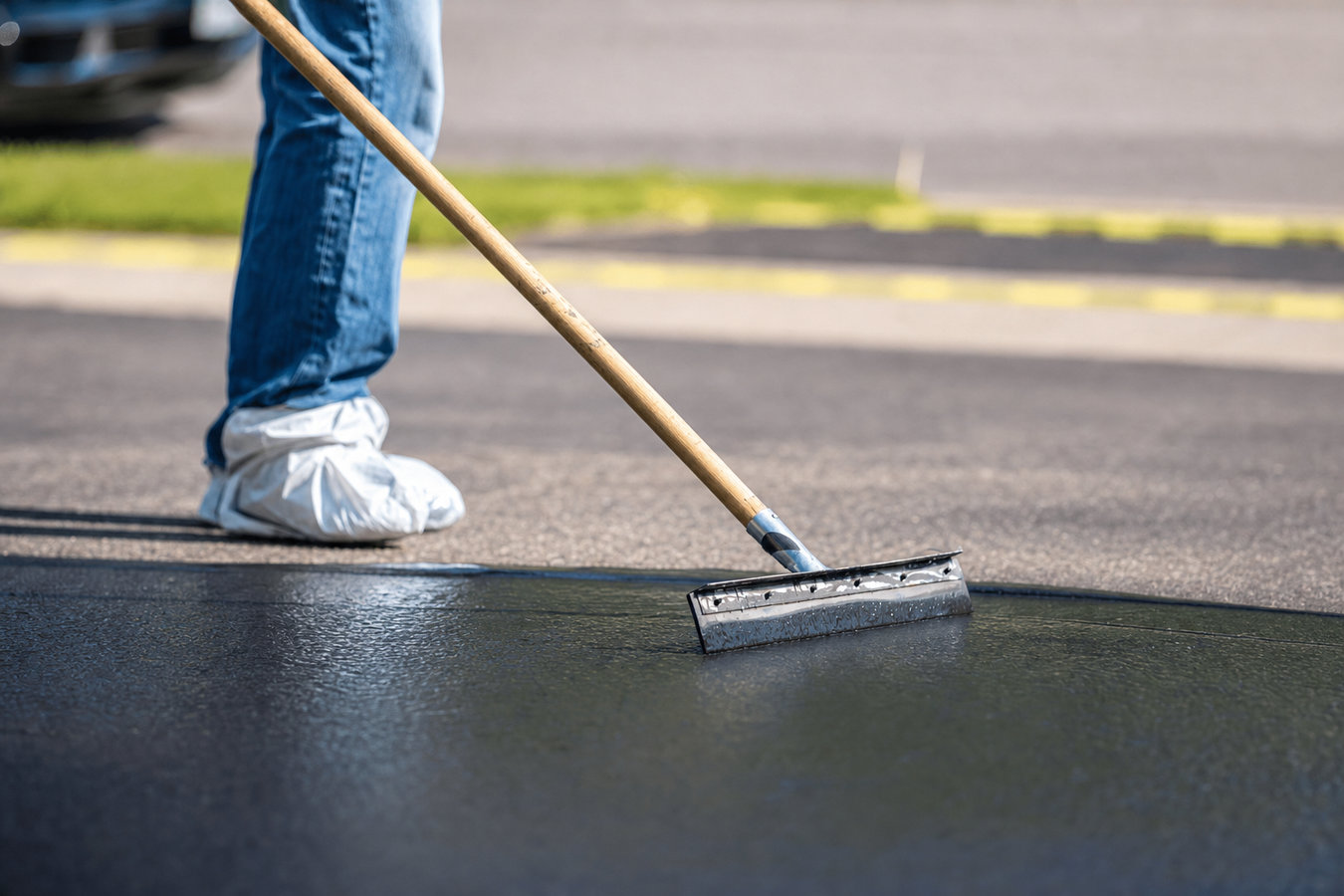
Concrete sealing in Atwater puts a thin protective layer over your existing surface that keeps water, oil, and stains from soaking in. Think of it like a raincoat for your driveway - spills bead up instead of penetrating. Most residential driveways and patios take just a few hours to seal, with a 24 to 48-hour curing period before you can walk on them and up to 72 hours before driving.
Without that protective layer, Atwater concrete slowly absorbs everything it touches - agricultural dust, hard water minerals, and the repeated moisture from tule fog season - which leads to cracking, staining, and surface crumbling over time. Many homeowners in Atwater find that sealing is a more practical first step than a full resurfacing. But if your slab has significant damage or needs leveling first, our concrete grinding and surface preparation service handles that before the sealer goes down. Call us or submit the form and we will assess your surface in person.
Pour a small amount of water on your driveway or patio. If it soaks in within a few seconds and darkens the surface, the sealer has worn off. This is the clearest sign it is time to reseal - once water penetrates freely, oil, stains, and frost damage follow in a climate that cycles between wet winters and baking summers.
If your concrete has lost its original color and looks pale or powdery, the surface is breaking down from UV exposure. In Atwater's intense summer sun, this fading happens faster than in coastal climates, and it means the top layer of the concrete is eroding. Sealing at this stage stops the deterioration before it becomes a structural problem.
White or grayish patches that do not wash off easily are likely mineral buildup from irrigation water or the area's hard water supply. This residue can work its way into the pores of the concrete over time. Professional cleaning followed by sealing addresses the buildup and prevents it from returning as quickly.
Hairline cracks in a driveway or patio are common in older Atwater homes where concrete has been through decades of heat and moisture cycles. Left alone, those cracks let water in and widen further. Catching them early - filling them and sealing the whole surface - is far less expensive than waiting until the damage requires full replacement.
Our concrete sealing service covers the full process: pressure washing to remove dirt, agricultural residue, algae, and old sealer; crack filling and minor repair; and sealer application using a sprayer, roller, or squeegee depending on the product and surface. We offer both penetrating sealers that protect from the inside without changing the look of your concrete, and topical sealers that add a visible sheen ranging from matte to high gloss. The right choice depends on your surface, how much traffic it gets, and the look you want - we walk you through the options during the estimate visit.
For floors that are being prepared for a full coating or decorative finish, sealing often works alongside our concrete resurfacing and overlays service, which adds a new surface layer on top of the sealed base. And if your slab has a polished finish you want to maintain, our polished concrete flooring work includes the guard coat that keeps polished floors protected over time. Whatever your surface needs, we can either complete the full scope or coordinate with the right follow-on step.
Soaks into the concrete and protects from within, with no visible sheen - ideal for driveways and patios where you want protection without changing the look.
Sits on top of the surface and adds a visible finish from matte to glossy - a popular choice for patios, walkways, and decorative concrete.
Specifically formulated to resist the intense Central Valley sun - the practical choice for any Atwater surface exposed to direct sunlight most of the day.
Applied after crack filling and surface prep to lock in repairs and prevent moisture from reopening them - the right step for older Atwater slabs.
Atwater sits in the San Joaquin Valley, where summer temperatures regularly exceed 100 degrees and the sun beats down on exposed surfaces for most of the year. That level of UV exposure dries out unprotected concrete faster than in coastal or northern California climates, causing it to become chalky, cracked, and porous sooner than you might expect. For homeowners here, sealing is less of an optional upgrade and more of a practical maintenance step. The Valley is also known for dense tule fog from roughly November through February, which keeps surfaces damp for extended periods. While Atwater rarely sees hard freezes, the repeated cycle of moisture soaking in followed by dry summer heat weakens unprotected concrete steadily over time. Sealing before the wet season helps prevent that moisture from penetrating in the first place.
Atwater is surrounded by farmland, and wind-blown agricultural dust settles on driveways and patios year-round. Irrigation water from nearby fields also carries mineral deposits that leave white residue on concrete surfaces. This means concrete here often needs more thorough cleaning before sealing than in urban areas - and homeowners should expect that prep work to be part of the job, not something to skip over. We serve customers across Atwater and in nearby communities like Ceres and Turlock, and we understand the specific wear patterns that the Central Valley climate creates for concrete surfaces year after year.
We will respond within one business day. We ask a few basic questions - size of the area, type of surface, and whether you have noticed any cracks or staining. Many contractors in the Atwater area come out for a free on-site look because the condition of the concrete matters as much as the square footage.
We walk the surface and check for cracks, spalling, stains, and areas where old sealer is peeling. We also note how much sun the area gets and whether there is any drainage issue. This is a good time to ask questions - we will explain what we find and why it affects the approach.
Before any sealer goes down, the concrete has to be thoroughly cleaned - pressure washing removes dirt, dust, agricultural residue, and old sealer. If there are cracks or chips, those get filled and allowed to dry. This prep work determines whether the sealer bonds properly and lasts.
We apply the sealer using the right tool for the product and surface. Most residential jobs require one or two coats. Plan for foot traffic to stay off for at least 24 hours and vehicles for 48 to 72 hours. In Atwater's warm dry weather, curing often goes faster than in cooler climates - we give you a specific timeline before we leave.
Free in-person estimate. No permit needed for most jobs. We will tell you exactly what your surface requires.
Not every sealer performs the same in Atwater's climate. We select products with UV resistance appropriate for the high-sun, high-heat conditions here - so the sealer actually lasts close to its rated lifespan rather than degrading in the first summer.
Sealing dirty or damaged concrete is the fastest way to get a sealer that peels within a year. Every job we do includes a thorough cleaning and crack assessment before the sealer touches the surface. You are not paying for shortcuts.
We know what local slabs look like after decades of tule fog, Valley heat, hard water, and agricultural dust. That local context shapes how we assess every surface and what we recommend - not a one-size-fits-all approach built for a different climate.
California requires concrete contractors to hold a valid C-8 license from the Contractors State License Board. You can verify our license before signing anything. Hiring an unlicensed contractor for work valued at $500 or more puts you at risk with no legal recourse if something goes wrong.
Sealing is one of the most cost-effective things you can do to extend the life of your concrete. We treat it that way - with the right product, proper prep, and a clear walkthrough when the job is done so you know exactly what was applied and when to expect to do it again.
For professional standards on concrete sealing and surface care, the American Concrete Institute and the Portland Cement Association publish guidance that trained contractors follow. To verify a California contractor license before hiring, use the Contractors State License Board website.
When sealing is not enough and the surface needs a fresh layer on top, resurfacing restores the look and function of heavily worn concrete.
Learn MoreFor interior slabs that need more than a sealer, polishing creates a durable, reflective finish that is easier to maintain than bare or coated concrete.
Learn MoreAtwater summers are hard on unprotected concrete - the longer you wait, the more damage accumulates. Call now or submit the form for a free in-person estimate with no obligation.